

Pacaya Samiria Expedition


- 3 Days 2 Nights3 Days 2 Nights
- $600
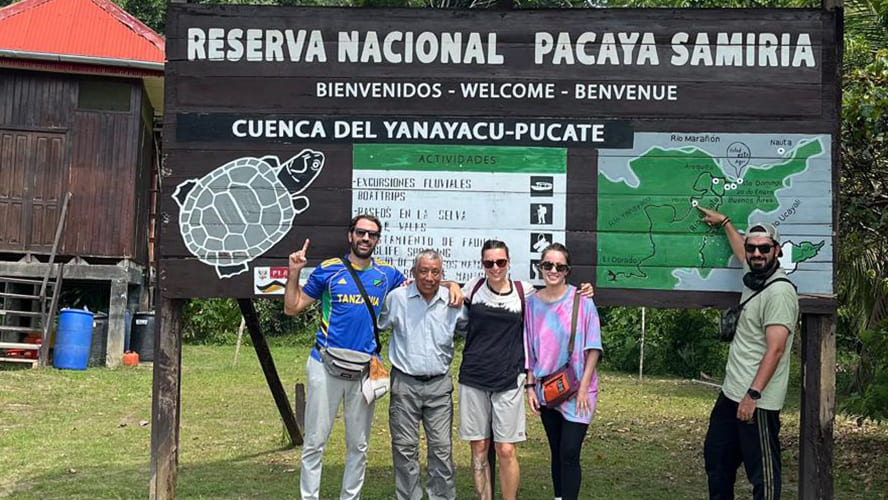
Arrival at our entry point to the Pacaya Samiria National Reserve. Here we will obtain our entry permit, controlled and regulated by the SERNANP (National Service of Protected Natural Areas)
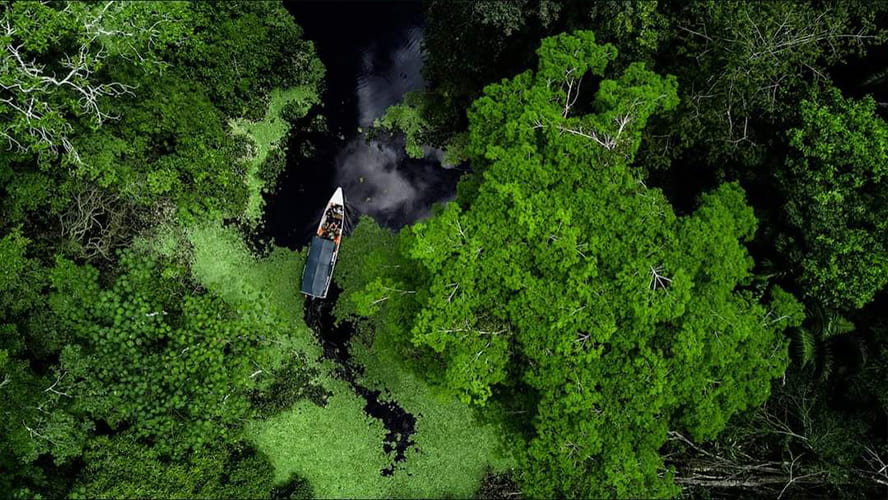
Continuing our boat trip for approximately 30 minutes until we reach the community of Buenos Aires. During this trip we will observe flora and fauna on the banks of the river and you can see birds, especially herons and kingfishers in their natural state.
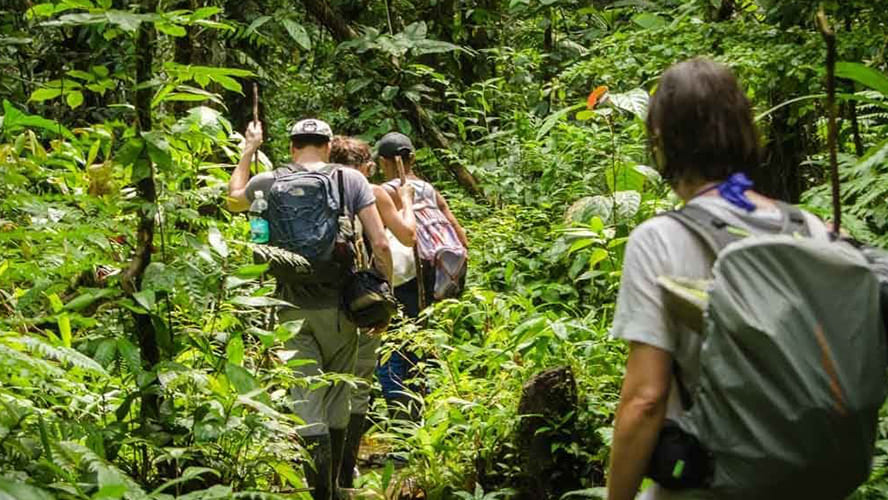
Expedition walk through the primary jungle, an area rich in avian fauna. A lot of nature in search of wild life. Previously, it will be very beneficial because there are large varieties of medicinal plants in the area.
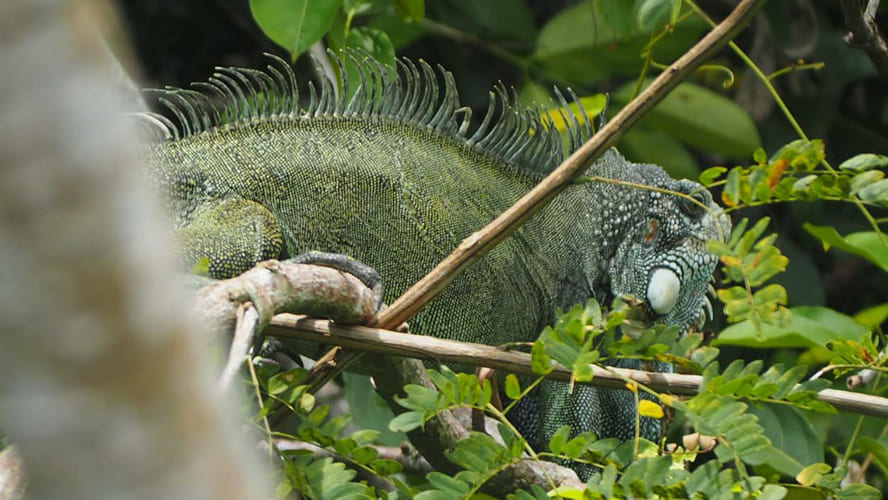
Night walk in search of insects, batrachians, spiders, snakes, lizards, rodents and others, listening to the mysterious sounds of the nocturnal animals that live in the jungle.
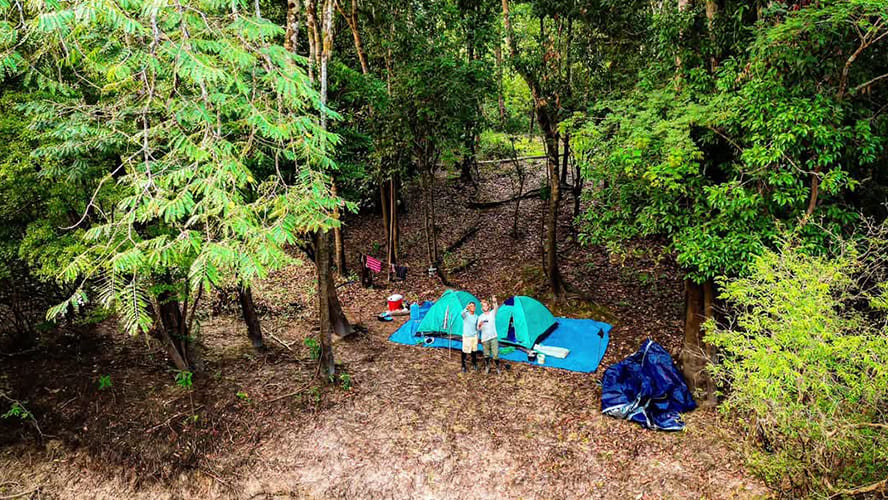
Accommodation in a family home, typical in the community of Buenos Aires. In tents or individual beds with mosquito nets.
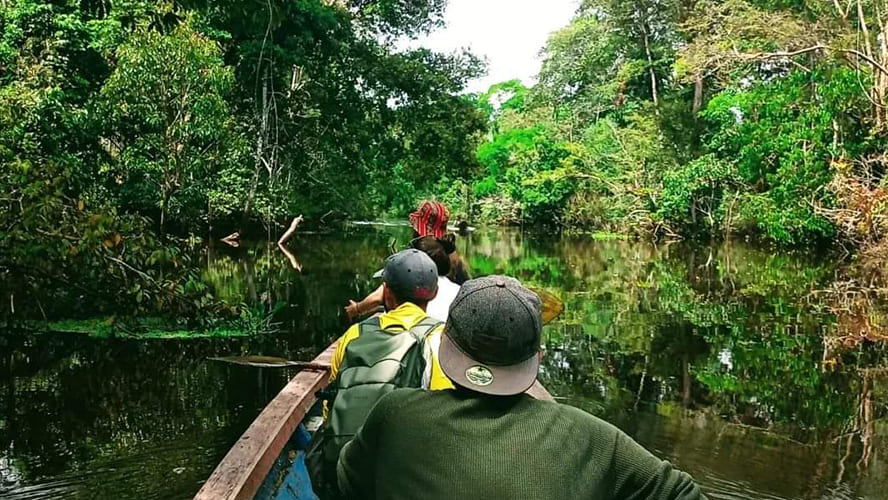
By boat you will continue the course, sailing along the Yanayacu River for approximately 3 hours, entering deeper into the jungle where we will establish our camp.
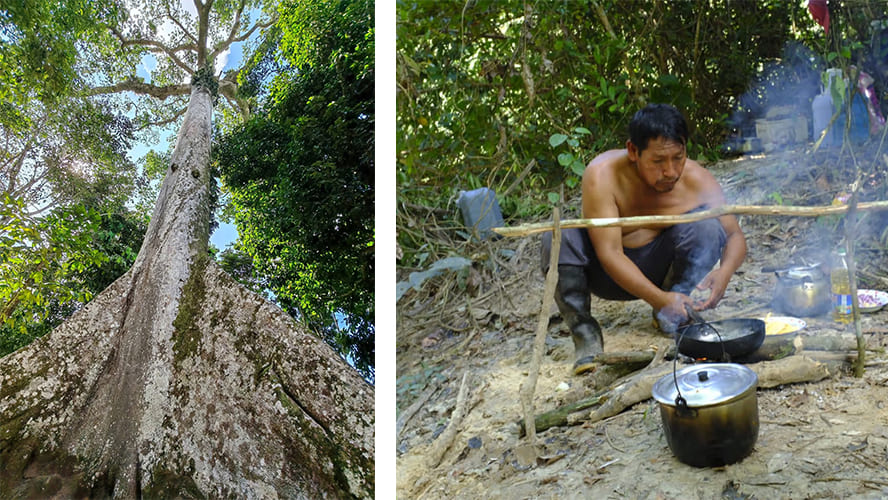
Arriving at the place we have a walk through the jungle to observe the Amazonian flora and fauna. Without a doubt, it is the giant flora that provokes the greatest admiration, among the trees that exceed 30 meters, including the Lupuna (Ceiba pentandra), one of the largest trees in the Amazon.
After a deep walk, you will have the opportunity to swim in the Yanayacu River and observe pink dolphins (Inia geoffrensis) and gray dolphins in their natural state.
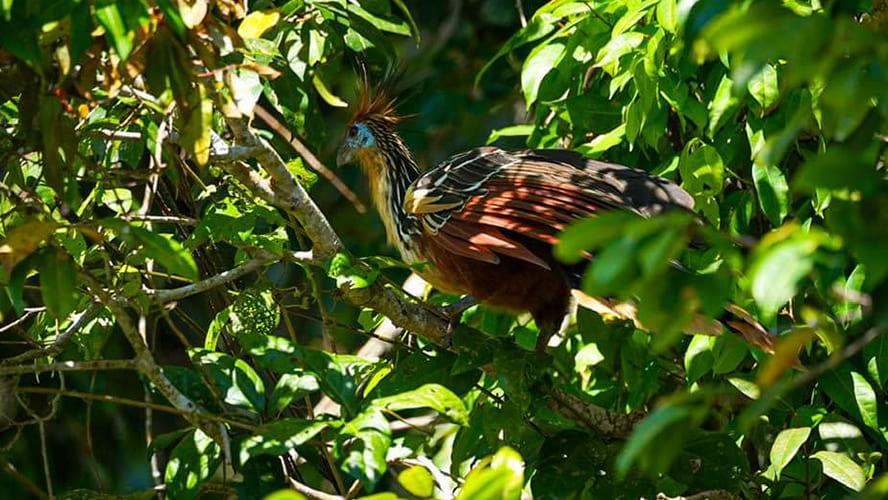
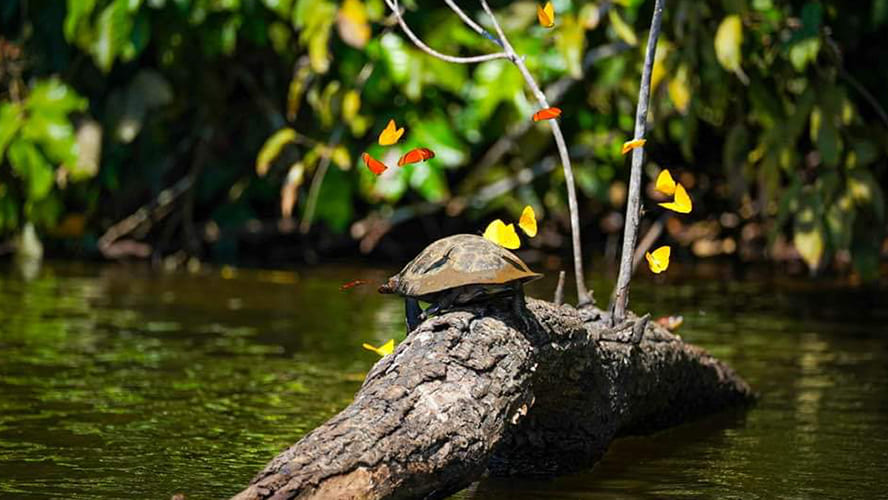
In the afternoon we have a walk to Renaco cocha (lake). Approximately 2 hours inside the jungle, meanwhile pay attention as we will have the opportunity to observe different species of animals, Ronsocos (Capybaras), Majaz (Paca agouti paca) and different species of monkeys such as the woolly monkey (Wolly monkey), howler monkey (Howler monkey), the stump monkey (Titi monkey), the Shansho (Hoatzin), a prehistoric bird, different species of turtles such as the Charapa turtle (Arrau river turtle), Cupiso (Six tubercled Amazon river turtle) and the Taricaya turtle (Yellow spotted Amazon river turtle). Inter alia.
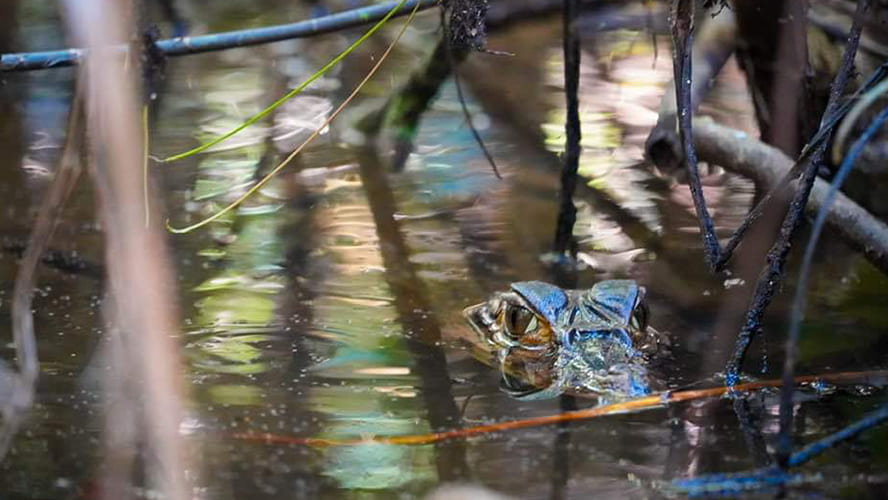
Night expedition in search of caimans (large river lizards).
Camping in the primary jungle. We will sleep in tents or individual beds with mosquito nets.
We will collect our camping equipment and prepare to continue into the depths of the Pacaya Samiria National Reserve. We will sail approximately 3 hours to our next destination: The further we go into the jungle, the more chances we have of observing wildlife.
Walk in search of Red and Green Macaws (Ara chloroptera) and the Blue and Yellow Macaw (Ara ararauna). In the Pacaya Samiria National Reserve we can find 2 of the 8 species of Macaws present in Peru. On this walk we will also be attentive, in search of the Camungo (Horned screamer), with its very peculiar characteristic sound while we watch the sunset enjoying the beautiful landscapes,
Night excursion in search of insects, batrachians, spiders, snakes, lizards, rodents and others and listening to the mysterious sounds of the nocturnal animals that live in the jungle.
Camping in the primary jungle. We will sleep in tents or single beds with mosquito nets.
- 4 Days 3 Nights4 Days 3 Nights
- $800
Arrival at our entry point to the Pacaya Samiria National Reserve. Here we will obtain our entry permit, controlled and regulated by the SERNANP (National Service of Protected Natural Areas)
Continuing our boat trip for approximately 30 minutes until we reach the community of Buenos Aires. During this trip we will observe flora and fauna on the banks of the river and you can see birds, especially herons and kingfishers in their natural state.
Expedition walk through the primary jungle, an area rich in avian fauna. A lot of nature in search of wild life. Previously, it will be very beneficial because there are large varieties of medicinal plants in the area.
Night walk in search of insects, batrachians, spiders, snakes, lizards, rodents and others, listening to the mysterious sounds of the nocturnal animals that live in the jungle.
Accommodation in a family home, typical in the community of Buenos Aires. In tents or individual beds with mosquito nets.
By boat you will continue the course, sailing along the Yanayacu River for approximately 3 hours, entering deeper into the jungle where we will establish our camp.
Arriving at the place we have a walk through the jungle to observe the Amazonian flora and fauna. Without a doubt, it is the giant flora that provokes the greatest admiration, among the trees that exceed 30 meters, including the Lupuna (Ceiba pentandra), one of the largest trees in the Amazon.
After a deep walk, you will have the opportunity to swim in the Yanayacu River and observe pink dolphins (Inia geoffrensis) and gray dolphins in their natural state.
In the afternoon we have a walk to Renaco cocha (lake). Approximately 2 hours inside the jungle, meanwhile pay attention as we will have the opportunity to observe different species of animals, Ronsocos (Capybaras), Majaz (Paca agouti paca) and different species of monkeys such as the woolly monkey (Wolly monkey), howler monkey (Howler monkey), the stump monkey (Titi monkey), the Shansho (Hoatzin), a prehistoric bird, different species of turtles such as the Charapa turtle (Arrau river turtle), Cupiso (Six tubercled Amazon river turtle) and the Taricaya turtle (Yellow spotted Amazon river turtle). Inter alia.
Night expedition in search of caimans (large river lizards).
Camping in the primary jungle. We will sleep in tents or individual beds with mosquito nets.
We will collect our camping equipment and prepare to continue into the depths of the Pacaya Samiria National Reserve. We will sail approximately 3 hours to our next destination: The further we go into the jungle, the more chances we have of observing wildlife.
Walk in search of Red and Green Macaws (Ara chloroptera) and the Blue and Yellow Macaw (Ara ararauna). In the Pacaya Samiria National Reserve we can find 2 of the 8 species of Macaws present in Peru. On this walk we will also be attentive, in search of the Camungo (Horned screamer), with its very peculiar characteristic sound while we watch the sunset enjoying the beautiful landscapes,
Night excursion in search of insects, batrachians, spiders, snakes, lizards, rodents and others and listening to the mysterious sounds of the nocturnal animals that live in the jungle.
Camping in the primary jungle. We will sleep in tents or single beds with mosquito nets.
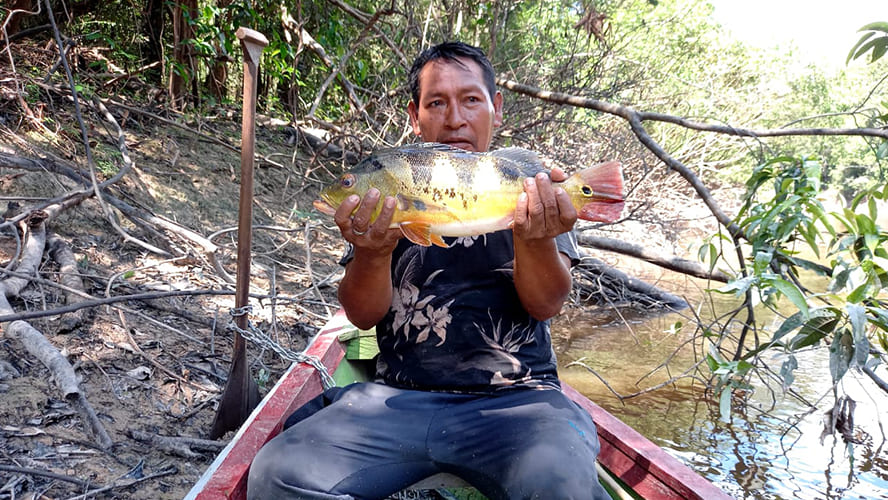
We arrived at Chingana. Depth inside the jungle and the greater the possibilities of observing different species of animals, birds and fish. Among them the Paiche (Arapaima gigas), the largest fish in the Amazon jungle and in search of observing the giant river otter.
Botanical walk where you will learn different medicinal plants and find bromeliads (epiphytic plants) that grow at the top of the trees.
At night we have a canoe expedition, in the depths of the National Reserve there is a high possibility of observing larger caimans (up to 6 to 8 meters in length). We will also look for other nocturnal animals, insects and spiders.
Camping in the primary jungle. We will sleep in tents or single beds with mosquito nets.
- 5 Days 4 Nights5 Days 4 Nights
- $1000
Arrival at our entry point to the Pacaya Samiria National Reserve. Here we will obtain our entry permit, controlled and regulated by the SERNANP (National Service of Protected Natural Areas)
Continuing our boat trip for approximately 30 minutes until we reach the community of Buenos Aires. During this trip we will observe flora and fauna on the banks of the river and you can see birds, especially herons and kingfishers in their natural state.
Expedition walk through the primary jungle, an area rich in avian fauna. A lot of nature in search of wild life. Previously, it will be very beneficial because there are large varieties of medicinal plants in the area.
Night walk in search of insects, batrachians, spiders, snakes, lizards, rodents and others, listening to the mysterious sounds of the nocturnal animals that live in the jungle.
Accommodation in a family home, typical in the community of Buenos Aires. In tents or individual beds with mosquito nets.
By boat you will continue the course, sailing along the Yanayacu River for approximately 3 hours, entering deeper into the jungle where we will establish our camp.
Arriving at the place we have a walk through the jungle to observe the Amazonian flora and fauna. Without a doubt, it is the giant flora that provokes the greatest admiration, among the trees that exceed 30 meters, including the Lupuna (Ceiba pentandra), one of the largest trees in the Amazon.
After a deep walk, you will have the opportunity to swim in the Yanayacu River and observe pink dolphins (Inia geoffrensis) and gray dolphins in their natural state.
In the afternoon we have a walk to Renaco cocha (lake). Approximately 2 hours inside the jungle, meanwhile pay attention as we will have the opportunity to observe different species of animals, Ronsocos (Capybaras), Majaz (Paca agouti paca) and different species of monkeys such as the woolly monkey (Wolly monkey), howler monkey (Howler monkey), the stump monkey (Titi monkey), the Shansho (Hoatzin), a prehistoric bird, different species of turtles such as the Charapa turtle (Arrau river turtle), Cupiso (Six tubercled Amazon river turtle) and the Taricaya turtle (Yellow spotted Amazon river turtle). Inter alia.
Night expedition in search of caimans (large river lizards).
Camping in the primary jungle. We will sleep in tents or individual beds with mosquito nets.
We will collect our camping equipment and prepare to continue into the depths of the Pacaya Samiria National Reserve. We will sail approximately 3 hours to our next destination: The further we go into the jungle, the more chances we have of observing wildlife.
Walk in search of Red and Green Macaws (Ara chloroptera) and the Blue and Yellow Macaw (Ara ararauna). In the Pacaya Samiria National Reserve we can find 2 of the 8 species of Macaws present in Peru. On this walk we will also be attentive, in search of the Camungo (Horned screamer), with its very peculiar characteristic sound while we watch the sunset enjoying the beautiful landscapes,
Night excursion in search of insects, batrachians, spiders, snakes, lizards, rodents and others and listening to the mysterious sounds of the nocturnal animals that live in the jungle.
Camping in the primary jungle. We will sleep in tents or single beds with mosquito nets.
We arrived at Chingana. Depth inside the jungle and the greater the possibilities of observing different species of animals, birds and fish. Among them the Paiche (Arapaima gigas), the largest fish in the Amazon jungle and in search of observing the giant river otter.
Botanical walk where you will learn different medicinal plants and find bromeliads (epiphytic plants) that grow at the top of the trees.
At night we have a canoe expedition, in the depths of the National Reserve there is a high possibility of observing larger caimans (up to 6 to 8 meters in length). We will also look for other nocturnal animals, insects and spiders.
Camping in the primary jungle. We will sleep in tents or single beds with mosquito nets.
After enjoying our excursion, we will then begin a new boat trip with approximately 2 hours entering deeper into the jungle where we will establish our camp, camping in the Pacaya Samiria National Reserve.
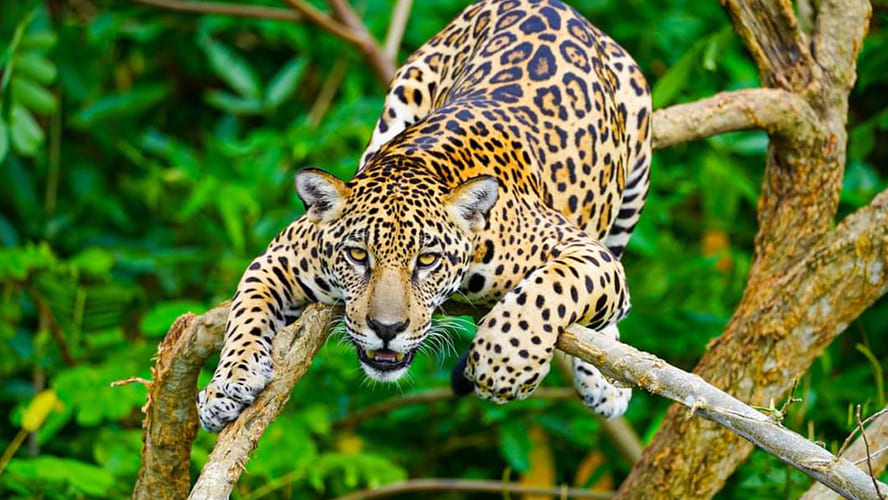
We will take a long walk through the primary jungle in search of animals as well as medicinal plants, such as Cat's Claw, Jungle's Garlic, among others. Our guide will explain to us about the different medicinal plants and what they are for. A good opportunity to learn about natural Amazonian medicine. On this expedition you can find tracks of animals, such as the Jaguar (Otorongo), Tapir (Sachavaca), Red brocket deer, Majaz (Paca agouti paca), and some possibility of observing anacondas and Tigrillos (Ocelot) in these areas of the Pacaya Samiria Reserve.
Very profitable night walk in search of animals such as the Sajino (Collared peccari), Añuje (Black agouti), Ronsoco (Capybara), Majaz (Paca agouti paca), Anteater (Giant anteater), Carachupa (nine banded armadillo), among other nocturnal animals.
Camping in the primary jungle. We will sleep in tents or single beds with mosquito nets.
- 6 Days 5 Nights6 Days 5 Nights
- $1200
Arrival at our entry point to the Pacaya Samiria National Reserve. Here we will obtain our entry permit, controlled and regulated by the SERNANP (National Service of Protected Natural Areas)
Continuing our boat trip for approximately 30 minutes until we reach the community of Buenos Aires. During this trip we will observe flora and fauna on the banks of the river and you can see birds, especially herons and kingfishers in their natural state.
Expedition walk through the primary jungle, an area rich in avian fauna. A lot of nature in search of wild life. Previously, it will be very beneficial because there are large varieties of medicinal plants in the area.
Night walk in search of insects, batrachians, spiders, snakes, lizards, rodents and others, listening to the mysterious sounds of the nocturnal animals that live in the jungle.
Accommodation in a family home, typical in the community of Buenos Aires. In tents or individual beds with mosquito nets.
By boat you will continue the course, sailing along the Yanayacu River for approximately 3 hours, entering deeper into the jungle where we will establish our camp.
Arriving at the place we have a walk through the jungle to observe the Amazonian flora and fauna. Without a doubt, it is the giant flora that provokes the greatest admiration, among the trees that exceed 30 meters, including the Lupuna (Ceiba pentandra), one of the largest trees in the Amazon.
After a deep walk, you will have the opportunity to swim in the Yanayacu River and observe pink dolphins (Inia geoffrensis) and gray dolphins in their natural state.
In the afternoon we have a walk to Renaco cocha (lake). Approximately 2 hours inside the jungle, meanwhile pay attention as we will have the opportunity to observe different species of animals, Ronsocos (Capybaras), Majaz (Paca agouti paca) and different species of monkeys such as the woolly monkey (Wolly monkey), howler monkey (Howler monkey), the stump monkey (Titi monkey), the Shansho (Hoatzin), a prehistoric bird, different species of turtles such as the Charapa turtle (Arrau river turtle), Cupiso (Six tubercled Amazon river turtle) and the Taricaya turtle (Yellow spotted Amazon river turtle). Inter alia.
Night expedition in search of caimans (large river lizards).
Camping in the primary jungle. We will sleep in tents or individual beds with mosquito nets.
We will collect our camping equipment and prepare to continue into the depths of the Pacaya Samiria National Reserve. We will sail approximately 3 hours to our next destination: The further we go into the jungle, the more chances we have of observing wildlife.
Walk in search of Red and Green Macaws (Ara chloroptera) and the Blue and Yellow Macaw (Ara ararauna). In the Pacaya Samiria National Reserve we can find 2 of the 8 species of Macaws present in Peru. On this walk we will also be attentive, in search of the Camungo (Horned screamer), with its very peculiar characteristic sound while we watch the sunset enjoying the beautiful landscapes,
Night excursion in search of insects, batrachians, spiders, snakes, lizards, rodents and others and listening to the mysterious sounds of the nocturnal animals that live in the jungle.
Camping in the primary jungle. We will sleep in tents or single beds with mosquito nets.
We arrived at Chingana. Depth inside the jungle and the greater the possibilities of observing different species of animals, birds and fish. Among them the Paiche (Arapaima gigas), the largest fish in the Amazon jungle and in search of observing the giant river otter.
Botanical walk where you will learn different medicinal plants and find bromeliads (epiphytic plants) that grow at the top of the trees.
At night we have a canoe expedition, in the depths of the National Reserve there is a high possibility of observing larger caimans (up to 6 to 8 meters in length). We will also look for other nocturnal animals, insects and spiders.
Camping in the primary jungle. We will sleep in tents or single beds with mosquito nets.
After enjoying our excursion, we will then begin a new boat trip with approximately 2 hours entering deeper into the jungle where we will establish our camp, camping in the Pacaya Samiria National Reserve.
We will take a long walk through the primary jungle in search of animals as well as medicinal plants, such as Cat's Claw, Jungle's Garlic, among others. Our guide will explain to us about the different medicinal plants and what they are for. A good opportunity to learn about natural Amazonian medicine. On this expedition you can find tracks of animals, such as the Jaguar (Otorongo), Tapir (Sachavaca), Red brocket deer, Majaz (Paca agouti paca), and some possibility of observing anacondas and Tigrillos (Ocelot) in these areas of the Pacaya Samiria Reserve.
Very profitable night walk in search of animals such as the Sajino (Collared peccari), Añuje (Black agouti), Ronsoco (Capybara), Majaz (Paca agouti paca), Anteater (Giant anteater), Carachupa (nine banded armadillo), among other nocturnal animals.
Camping in the primary jungle. We will sleep in tents or single beds with mosquito nets.
We collect our camping equipment and prepare to continue into the depths of the Pacaya Samiria National Reserve. Sailing for approximately 3 hours to our next destination, Achon.
We begin the walk in the primary jungle, focused on finding animal tracks and footprints and attentive to the mysterious songs and sounds of the jungle.
Upon returning to our camp, we begin a canoe exploration along the banks of the river in search of otters, turtles and different species of birds such as Macaws, Sacha Pato (Muscovy duck), Cushuri (Olivaceeous cormorant), an Amazonian charm exploring our Pacaya Samiria National Reserve.
Very profitable night canoe excursion to look for river caimans, white caimans and black caimans. The chances of seeing black caimans are greater, due to the deep jungle of its black waters.
Camping in the primary jungle. We will sleep in tents or single beds with mosquito nets.
- 7 Days 6 Nights7 Days 6 Nights
- $1400
Arrival at our entry point to the Pacaya Samiria National Reserve. Here we will obtain our entry permit, controlled and regulated by the SERNANP (National Service of Protected Natural Areas)
Continuing our boat trip for approximately 30 minutes until we reach the community of Buenos Aires. During this trip we will observe flora and fauna on the banks of the river and you can see birds, especially herons and kingfishers in their natural state.
Expedition walk through the primary jungle, an area rich in avian fauna. A lot of nature in search of wild life. Previously, it will be very beneficial because there are large varieties of medicinal plants in the area.
Night walk in search of insects, batrachians, spiders, snakes, lizards, rodents and others, listening to the mysterious sounds of the nocturnal animals that live in the jungle.
Accommodation in a family home, typical in the community of Buenos Aires. In tents or individual beds with mosquito nets.
By boat you will continue the course, sailing along the Yanayacu River for approximately 3 hours, entering deeper into the jungle where we will establish our camp.
Arriving at the place we have a walk through the jungle to observe the Amazonian flora and fauna. Without a doubt, it is the giant flora that provokes the greatest admiration, among the trees that exceed 30 meters, including the Lupuna (Ceiba pentandra), one of the largest trees in the Amazon.
After a deep walk, you will have the opportunity to swim in the Yanayacu River and observe pink dolphins (Inia geoffrensis) and gray dolphins in their natural state.
In the afternoon we have a walk to Renaco cocha (lake). Approximately 2 hours inside the jungle, meanwhile pay attention as we will have the opportunity to observe different species of animals, Ronsocos (Capybaras), Majaz (Paca agouti paca) and different species of monkeys such as the woolly monkey (Wolly monkey), howler monkey (Howler monkey), the stump monkey (Titi monkey), the Shansho (Hoatzin), a prehistoric bird, different species of turtles such as the Charapa turtle (Arrau river turtle), Cupiso (Six tubercled Amazon river turtle) and the Taricaya turtle (Yellow spotted Amazon river turtle). Inter alia.
Night expedition in search of caimans (large river lizards).
Camping in the primary jungle. We will sleep in tents or individual beds with mosquito nets.
We will collect our camping equipment and prepare to continue into the depths of the Pacaya Samiria National Reserve. We will sail approximately 3 hours to our next destination: The further we go into the jungle, the more chances we have of observing wildlife.
Walk in search of Red and Green Macaws (Ara chloroptera) and the Blue and Yellow Macaw (Ara ararauna). In the Pacaya Samiria National Reserve we can find 2 of the 8 species of Macaws present in Peru. On this walk we will also be attentive, in search of the Camungo (Horned screamer), with its very peculiar characteristic sound while we watch the sunset enjoying the beautiful landscapes,
Night excursion in search of insects, batrachians, spiders, snakes, lizards, rodents and others and listening to the mysterious sounds of the nocturnal animals that live in the jungle.
Camping in the primary jungle. We will sleep in tents or single beds with mosquito nets.
We arrived at Chingana. Depth inside the jungle and the greater the possibilities of observing different species of animals, birds and fish. Among them the Paiche (Arapaima gigas), the largest fish in the Amazon jungle and in search of observing the giant river otter.
Botanical walk where you will learn different medicinal plants and find bromeliads (epiphytic plants) that grow at the top of the trees.
At night we have a canoe expedition, in the depths of the National Reserve there is a high possibility of observing larger caimans (up to 6 to 8 meters in length). We will also look for other nocturnal animals, insects and spiders.
Camping in the primary jungle. We will sleep in tents or single beds with mosquito nets.
After enjoying our excursion, we will then begin a new boat trip with approximately 2 hours entering deeper into the jungle where we will establish our camp, camping in the Pacaya Samiria National Reserve.
We will take a long walk through the primary jungle in search of animals as well as medicinal plants, such as Cat's Claw, Jungle's Garlic, among others. Our guide will explain to us about the different medicinal plants and what they are for. A good opportunity to learn about natural Amazonian medicine. On this expedition you can find tracks of animals, such as the Jaguar (Otorongo), Tapir (Sachavaca), Red brocket deer, Majaz (Paca agouti paca), and some possibility of observing anacondas and Tigrillos (Ocelot) in these areas of the Pacaya Samiria Reserve.
Very profitable night walk in search of animals such as the Sajino (Collared peccari), Añuje (Black agouti), Ronsoco (Capybara), Majaz (Paca agouti paca), Anteater (Giant anteater), Carachupa (nine banded armadillo), among other nocturnal animals.
Camping in the primary jungle. We will sleep in tents or single beds with mosquito nets.
We collect our camping equipment and prepare to continue into the depths of the Pacaya Samiria National Reserve. Sailing for approximately 3 hours to our next destination, Achon.
We begin the walk in the primary jungle, focused on finding animal tracks and footprints and attentive to the mysterious songs and sounds of the jungle.
Upon returning to our camp, we begin a canoe exploration along the banks of the river in search of otters, turtles and different species of birds such as Macaws, Sacha Pato (Muscovy duck), Cushuri (Olivaceeous cormorant), an Amazonian charm exploring our Pacaya Samiria National Reserve.
Very profitable night canoe excursion to look for river caimans, white caimans and black caimans. The chances of seeing black caimans are greater, due to the deep jungle of its black waters.
Camping in the primary jungle. We will sleep in tents or single beds with mosquito nets.
We collect our camping equipment and with a delicious breakfast we prepare to continue towards the depths of the Pacaya Samiria National Reserve. Sailing for approximately 3 hours to our next destination, EL DORADO.
Getting to El Dorado is an achievement for few travelers. There are not many people on the planet who can say they have been here. The diversity of landscapes and abundant aquatic fauna make this a truly unique place. There is the possibility of seeing many different species of birds, including macaws, toucans, kingfishers, herons, among others. In El Dorado there is also the chance to see some of the most famous animals of the Amazon rainforest, such as anacondas, boas, jaguars (locally called Otorongo) and manatees, to name. Keeping in mind you need a bit of luck, as finding them cannot be guaranteed.
Walk in primary jungle It all depends on the weather conditions and the season in which we find ourselves, from (May to September) it is possible to take more walks in the jungle. And during the rainy or rising season (from October to April) the level of the rivers and lakes rises, so most excursions must be done by boat or canoe.
Depending on the weather we can enjoy a picturesque scene, watching a beautiful sunset. In El Dorado.
Very useful night canoe excursion to look for animals in the lake, especially alligators or other species. The possibilities of seeing are greater due to the deep jungle of its black waters in the Pacaya Samiria reserve.
Camping in the El Dorado primary jungle (heart of Pacaya Samiria).
We will sleep in tents or individual beds with mosquito nets.
- 8 Days 7 Nights8 Days 7 Nights
- $1600
Arrival at our entry point to the Pacaya Samiria National Reserve. Here we will obtain our entry permit, controlled and regulated by the SERNANP (National Service of Protected Natural Areas)
Continuing our boat trip for approximately 30 minutes until we reach the community of Buenos Aires. During this trip we will observe flora and fauna on the banks of the river and you can see birds, especially herons and kingfishers in their natural state.
Expedition walk through the primary jungle, an area rich in avian fauna. A lot of nature in search of wild life. Previously, it will be very beneficial because there are large varieties of medicinal plants in the area.
Night walk in search of insects, batrachians, spiders, snakes, lizards, rodents and others, listening to the mysterious sounds of the nocturnal animals that live in the jungle.
Accommodation in a family home, typical in the community of Buenos Aires. In tents or individual beds with mosquito nets.
By boat you will continue the course, sailing along the Yanayacu River for approximately 3 hours, entering deeper into the jungle where we will establish our camp.
Arriving at the place we have a walk through the jungle to observe the Amazonian flora and fauna. Without a doubt, it is the giant flora that provokes the greatest admiration, among the trees that exceed 30 meters, including the Lupuna (Ceiba pentandra), one of the largest trees in the Amazon.
After a deep walk, you will have the opportunity to swim in the Yanayacu River and observe pink dolphins (Inia geoffrensis) and gray dolphins in their natural state.
In the afternoon we have a walk to Renaco cocha (lake). Approximately 2 hours inside the jungle, meanwhile pay attention as we will have the opportunity to observe different species of animals, Ronsocos (Capybaras), Majaz (Paca agouti paca) and different species of monkeys such as the woolly monkey (Wolly monkey), howler monkey (Howler monkey), the stump monkey (Titi monkey), the Shansho (Hoatzin), a prehistoric bird, different species of turtles such as the Charapa turtle (Arrau river turtle), Cupiso (Six tubercled Amazon river turtle) and the Taricaya turtle (Yellow spotted Amazon river turtle). Inter alia.
Night expedition in search of caimans (large river lizards).
Camping in the primary jungle. We will sleep in tents or individual beds with mosquito nets.
We will collect our camping equipment and prepare to continue into the depths of the Pacaya Samiria National Reserve. We will sail approximately 3 hours to our next destination: The further we go into the jungle, the more chances we have of observing wildlife.
Walk in search of Red and Green Macaws (Ara chloroptera) and the Blue and Yellow Macaw (Ara ararauna). In the Pacaya Samiria National Reserve we can find 2 of the 8 species of Macaws present in Peru. On this walk we will also be attentive, in search of the Camungo (Horned screamer), with its very peculiar characteristic sound while we watch the sunset enjoying the beautiful landscapes,
Night excursion in search of insects, batrachians, spiders, snakes, lizards, rodents and others and listening to the mysterious sounds of the nocturnal animals that live in the jungle.
Camping in the primary jungle. We will sleep in tents or single beds with mosquito nets.
We arrived at Chingana. Depth inside the jungle and the greater the possibilities of observing different species of animals, birds and fish. Among them the Paiche (Arapaima gigas), the largest fish in the Amazon jungle and in search of observing the giant river otter.
Botanical walk where you will learn different medicinal plants and find bromeliads (epiphytic plants) that grow at the top of the trees.
At night we have a canoe expedition, in the depths of the National Reserve there is a high possibility of observing larger caimans (up to 6 to 8 meters in length). We will also look for other nocturnal animals, insects and spiders.
Camping in the primary jungle. We will sleep in tents or single beds with mosquito nets.
After enjoying our excursion, we will then begin a new boat trip with approximately 2 hours entering deeper into the jungle where we will establish our camp, camping in the Pacaya Samiria National Reserve.
We will take a long walk through the primary jungle in search of animals as well as medicinal plants, such as Cat's Claw, Jungle's Garlic, among others. Our guide will explain to us about the different medicinal plants and what they are for. A good opportunity to learn about natural Amazonian medicine. On this expedition you can find tracks of animals, such as the Jaguar (Otorongo), Tapir (Sachavaca), Red brocket deer, Majaz (Paca agouti paca), and some possibility of observing anacondas and Tigrillos (Ocelot) in these areas of the Pacaya Samiria Reserve.
Very profitable night walk in search of animals such as the Sajino (Collared peccari), Añuje (Black agouti), Ronsoco (Capybara), Majaz (Paca agouti paca), Anteater (Giant anteater), Carachupa (nine banded armadillo), among other nocturnal animals.
Camping in the primary jungle. We will sleep in tents or single beds with mosquito nets.
We collect our camping equipment and prepare to continue into the depths of the Pacaya Samiria National Reserve. Sailing for approximately 3 hours to our next destination, Achon.
We begin the walk in the primary jungle, focused on finding animal tracks and footprints and attentive to the mysterious songs and sounds of the jungle.
Upon returning to our camp, we begin a canoe exploration along the banks of the river in search of otters, turtles and different species of birds such as Macaws, Sacha Pato (Muscovy duck), Cushuri (Olivaceeous cormorant), an Amazonian charm exploring our Pacaya Samiria National Reserve.
Very profitable night canoe excursion to look for river caimans, white caimans and black caimans. The chances of seeing black caimans are greater, due to the deep jungle of its black waters.
Camping in the primary jungle. We will sleep in tents or single beds with mosquito nets.
We collect our camping equipment and with a delicious breakfast we prepare to continue towards the depths of the Pacaya Samiria National Reserve. Sailing for approximately 3 hours to our next destination, EL DORADO.
Getting to El Dorado is an achievement for few travelers. There are not many people on the planet who can say they have been here. The diversity of landscapes and abundant aquatic fauna make this a truly unique place. There is the possibility of seeing many different species of birds, including macaws, toucans, kingfishers, herons, among others. In El Dorado there is also the chance to see some of the most famous animals of the Amazon rainforest, such as anacondas, boas, jaguars (locally called Otorongo) and manatees, to name. Keeping in mind you need a bit of luck, as finding them cannot be guaranteed.
Walk in primary jungle It all depends on the weather conditions and the season in which we find ourselves, from (May to September) it is possible to take more walks in the jungle. And during the rainy or rising season (from October to April) the level of the rivers and lakes rises, so most excursions must be done by boat or canoe.
Depending on the weather we can enjoy a picturesque scene, watching a beautiful sunset. In El Dorado.
Very useful night canoe excursion to look for animals in the lake, especially alligators or other species. The possibilities of seeing are greater due to the deep jungle of its black waters in the Pacaya Samiria reserve.
Camping in the El Dorado primary jungle (heart of Pacaya Samiria).
We will sleep in tents or individual beds with mosquito nets.
During the early hours of the morning (sunrise), your guide will indicate the exact time at which you will carry out this activity of contemplating a beautiful sunrise in this place. If you have come from so far you cannot miss it.
A jungle breakfast and we prepare for a full day to explore El Dorado, through hiking and boating. All depending on the weather and the season we are in.
By boat you will continue the course with the possibility of seeing freshwater dolphins (Pink and gray), manatees (Trichechus inunguis) and even Paiches (Arapaima gigas) in their natural state, you must be patient and attentive to see them like birds flying on the shores of the lake. With a little luck we can observe mammals drinking water on the shores of the lake, from rodents such as capybaras (Hydrochoerus hydrochae) to the majestic Jaguar (Panthera onca), locally called Otorongo, the third largest cat in the world. We can't promise that you will see a jaguar, but this place has a higher chance of having the opportunity to photograph one.
Depending on the weather we can enjoy a picturesque scene, watching a beautiful sunset in El Dorado for a perfect photo enjoying being far from civilization, in the middle of the Pacaya Samiria jungle.
At night we have a canoe expedition, in search of nocturnal animals in the depths of the National Reserve, there is a high possibility of observing alligators and species that can be found along the way.
Camping in the El Dorado primary jungle (heart of Pacaya Samiria). We will sleep in tents or single beds with mosquito nets.
- 9 Days 8 Nights9 Days 8 Nights
- $1800
Arrival at our entry point to the Pacaya Samiria National Reserve. Here we will obtain our entry permit, controlled and regulated by the SERNANP (National Service of Protected Natural Areas)
Continuing our boat trip for approximately 30 minutes until we reach the community of Buenos Aires. During this trip we will observe flora and fauna on the banks of the river and you can see birds, especially herons and kingfishers in their natural state.
Expedition walk through the primary jungle, an area rich in avian fauna. A lot of nature in search of wild life. Previously, it will be very beneficial because there are large varieties of medicinal plants in the area.
Night walk in search of insects, batrachians, spiders, snakes, lizards, rodents and others, listening to the mysterious sounds of the nocturnal animals that live in the jungle.
Accommodation in a family home, typical in the community of Buenos Aires. In tents or individual beds with mosquito nets.
By boat you will continue the course, sailing along the Yanayacu River for approximately 3 hours, entering deeper into the jungle where we will establish our camp.
Arriving at the place we have a walk through the jungle to observe the Amazonian flora and fauna. Without a doubt, it is the giant flora that provokes the greatest admiration, among the trees that exceed 30 meters, including the Lupuna (Ceiba pentandra), one of the largest trees in the Amazon.
After a deep walk, you will have the opportunity to swim in the Yanayacu River and observe pink dolphins (Inia geoffrensis) and gray dolphins in their natural state.
In the afternoon we have a walk to Renaco cocha (lake). Approximately 2 hours inside the jungle, meanwhile pay attention as we will have the opportunity to observe different species of animals, Ronsocos (Capybaras), Majaz (Paca agouti paca) and different species of monkeys such as the woolly monkey (Wolly monkey), howler monkey (Howler monkey), the stump monkey (Titi monkey), the Shansho (Hoatzin), a prehistoric bird, different species of turtles such as the Charapa turtle (Arrau river turtle), Cupiso (Six tubercled Amazon river turtle) and the Taricaya turtle (Yellow spotted Amazon river turtle). Inter alia.
Night expedition in search of caimans (large river lizards).
Camping in the primary jungle. We will sleep in tents or individual beds with mosquito nets.
We will collect our camping equipment and prepare to continue into the depths of the Pacaya Samiria National Reserve. We will sail approximately 3 hours to our next destination: The further we go into the jungle, the more chances we have of observing wildlife.
Walk in search of Red and Green Macaws (Ara chloroptera) and the Blue and Yellow Macaw (Ara ararauna). In the Pacaya Samiria National Reserve we can find 2 of the 8 species of Macaws present in Peru. On this walk we will also be attentive, in search of the Camungo (Horned screamer), with its very peculiar characteristic sound while we watch the sunset enjoying the beautiful landscapes,
Night excursion in search of insects, batrachians, spiders, snakes, lizards, rodents and others and listening to the mysterious sounds of the nocturnal animals that live in the jungle.
Camping in the primary jungle. We will sleep in tents or single beds with mosquito nets.
We arrived at Chingana. Depth inside the jungle and the greater the possibilities of observing different species of animals, birds and fish. Among them the Paiche (Arapaima gigas), the largest fish in the Amazon jungle and in search of observing the giant river otter.
Botanical walk where you will learn different medicinal plants and find bromeliads (epiphytic plants) that grow at the top of the trees.
At night we have a canoe expedition, in the depths of the National Reserve there is a high possibility of observing larger caimans (up to 6 to 8 meters in length). We will also look for other nocturnal animals, insects and spiders.
Camping in the primary jungle. We will sleep in tents or single beds with mosquito nets.
After enjoying our excursion, we will then begin a new boat trip with approximately 2 hours entering deeper into the jungle where we will establish our camp, camping in the Pacaya Samiria National Reserve.
We will take a long walk through the primary jungle in search of animals as well as medicinal plants, such as Cat's Claw, Jungle's Garlic, among others. Our guide will explain to us about the different medicinal plants and what they are for. A good opportunity to learn about natural Amazonian medicine. On this expedition you can find tracks of animals, such as the Jaguar (Otorongo), Tapir (Sachavaca), Red brocket deer, Majaz (Paca agouti paca), and some possibility of observing anacondas and Tigrillos (Ocelot) in these areas of the Pacaya Samiria Reserve.
Very profitable night walk in search of animals such as the Sajino (Collared peccari), Añuje (Black agouti), Ronsoco (Capybara), Majaz (Paca agouti paca), Anteater (Giant anteater), Carachupa (nine banded armadillo), among other nocturnal animals.
Camping in the primary jungle. We will sleep in tents or single beds with mosquito nets.
We collect our camping equipment and prepare to continue into the depths of the Pacaya Samiria National Reserve. Sailing for approximately 3 hours to our next destination, Achon.
We begin the walk in the primary jungle, focused on finding animal tracks and footprints and attentive to the mysterious songs and sounds of the jungle.
Upon returning to our camp, we begin a canoe exploration along the banks of the river in search of otters, turtles and different species of birds such as Macaws, Sacha Pato (Muscovy duck), Cushuri (Olivaceeous cormorant), an Amazonian charm exploring our Pacaya Samiria National Reserve.
Very profitable night canoe excursion to look for river caimans, white caimans and black caimans. The chances of seeing black caimans are greater, due to the deep jungle of its black waters.
Camping in the primary jungle. We will sleep in tents or single beds with mosquito nets.
We collect our camping equipment and with a delicious breakfast we prepare to continue towards the depths of the Pacaya Samiria National Reserve. Sailing for approximately 3 hours to our next destination, EL DORADO.
Getting to El Dorado is an achievement for few travelers. There are not many people on the planet who can say they have been here. The diversity of landscapes and abundant aquatic fauna make this a truly unique place. There is the possibility of seeing many different species of birds, including macaws, toucans, kingfishers, herons, among others. In El Dorado there is also the chance to see some of the most famous animals of the Amazon rainforest, such as anacondas, boas, jaguars (locally called Otorongo) and manatees, to name. Keeping in mind you need a bit of luck, as finding them cannot be guaranteed.
Walk in primary jungle It all depends on the weather conditions and the season in which we find ourselves, from (May to September) it is possible to take more walks in the jungle. And during the rainy or rising season (from October to April) the level of the rivers and lakes rises, so most excursions must be done by boat or canoe.
Depending on the weather we can enjoy a picturesque scene, watching a beautiful sunset. In El Dorado.
Very useful night canoe excursion to look for animals in the lake, especially alligators or other species. The possibilities of seeing are greater due to the deep jungle of its black waters in the Pacaya Samiria reserve.
Camping in the El Dorado primary jungle (heart of Pacaya Samiria).
We will sleep in tents or individual beds with mosquito nets.
During the early hours of the morning (sunrise), your guide will indicate the exact time at which you will carry out this activity of contemplating a beautiful sunrise in this place. If you have come from so far you cannot miss it.
A jungle breakfast and we prepare for a full day to explore El Dorado, through hiking and boating. All depending on the weather and the season we are in.
By boat you will continue the course with the possibility of seeing freshwater dolphins (Pink and gray), manatees (Trichechus inunguis) and even Paiches (Arapaima gigas) in their natural state, you must be patient and attentive to see them like birds flying on the shores of the lake. With a little luck we can observe mammals drinking water on the shores of the lake, from rodents such as capybaras (Hydrochoerus hydrochae) to the majestic Jaguar (Panthera onca), locally called Otorongo, the third largest cat in the world. We can't promise that you will see a jaguar, but this place has a higher chance of having the opportunity to photograph one.
Depending on the weather we can enjoy a picturesque scene, watching a beautiful sunset in El Dorado for a perfect photo enjoying being far from civilization, in the middle of the Pacaya Samiria jungle.
At night we have a canoe expedition, in search of nocturnal animals in the depths of the National Reserve, there is a high possibility of observing alligators and species that can be found along the way.
Camping in the El Dorado primary jungle (heart of Pacaya Samiria). We will sleep in tents or single beds with mosquito nets.
Walk in primary jungle (El Dorado), in search of wildlife and nature. Everything depends on the weather conditions and the season in which we find ourselves.
At noon our return journey begins. Because we are in the depths of the Pacaya Samiria National Reserve, we will spend approximately 1 day following the current, downstream, until we reach a halfway point on our route where we will establish our last camping site.
When the afternoon arrives, we will take a boat trip for artisanal piranha fishing, to test our skills, the way local people do it. The guide will give you instructions and all the necessary equipment. If you are lucky you can even catch Acarahuazu (Oscar fish), Fasaco (Common trahira), among other fish.
Night walk in search of different species such as the armadillo (locally called carachupa, Dasypus novemcinctus) and rodents such as the añuje (black agouti or Dasyprocta fuliginosa) and the majaz (paca agouti). Among others and listening to the mysterious sounds of the nocturnal animals that live in the jungle.
Camping in the primary jungle. We will sleep in tents or single beds with mosquito nets.
- 10 Days 9 Nights10 Days 9 Nights
- $2000
Arrival at our entry point to the Pacaya Samiria National Reserve. Here we will obtain our entry permit, controlled and regulated by the SERNANP (National Service of Protected Natural Areas)
Continuing our boat trip for approximately 30 minutes until we reach the community of Buenos Aires. During this trip we will observe flora and fauna on the banks of the river and you can see birds, especially herons and kingfishers in their natural state.
Expedition walk through the primary jungle, an area rich in avian fauna. A lot of nature in search of wild life. Previously, it will be very beneficial because there are large varieties of medicinal plants in the area.
Night walk in search of insects, batrachians, spiders, snakes, lizards, rodents and others, listening to the mysterious sounds of the nocturnal animals that live in the jungle.
Accommodation in a family home, typical in the community of Buenos Aires. In tents or individual beds with mosquito nets.
By boat you will continue the course, sailing along the Yanayacu River for approximately 3 hours, entering deeper into the jungle where we will establish our camp.
Arriving at the place we have a walk through the jungle to observe the Amazonian flora and fauna. Without a doubt, it is the giant flora that provokes the greatest admiration, among the trees that exceed 30 meters, including the Lupuna (Ceiba pentandra), one of the largest trees in the Amazon.
After a deep walk, you will have the opportunity to swim in the Yanayacu River and observe pink dolphins (Inia geoffrensis) and gray dolphins in their natural state.
In the afternoon we have a walk to Renaco cocha (lake). Approximately 2 hours inside the jungle, meanwhile pay attention as we will have the opportunity to observe different species of animals, Ronsocos (Capybaras), Majaz (Paca agouti paca) and different species of monkeys such as the woolly monkey (Wolly monkey), howler monkey (Howler monkey), the stump monkey (Titi monkey), the Shansho (Hoatzin), a prehistoric bird, different species of turtles such as the Charapa turtle (Arrau river turtle), Cupiso (Six tubercled Amazon river turtle) and the Taricaya turtle (Yellow spotted Amazon river turtle). Inter alia.
Night expedition in search of caimans (large river lizards).
Camping in the primary jungle. We will sleep in tents or individual beds with mosquito nets.
We will collect our camping equipment and prepare to continue into the depths of the Pacaya Samiria National Reserve. We will sail approximately 3 hours to our next destination: The further we go into the jungle, the more chances we have of observing wildlife.
Walk in search of Red and Green Macaws (Ara chloroptera) and the Blue and Yellow Macaw (Ara ararauna). In the Pacaya Samiria National Reserve we can find 2 of the 8 species of Macaws present in Peru. On this walk we will also be attentive, in search of the Camungo (Horned screamer), with its very peculiar characteristic sound while we watch the sunset enjoying the beautiful landscapes,
Night excursion in search of insects, batrachians, spiders, snakes, lizards, rodents and others and listening to the mysterious sounds of the nocturnal animals that live in the jungle.
Camping in the primary jungle. We will sleep in tents or single beds with mosquito nets.
We arrived at Chingana. Depth inside the jungle and the greater the possibilities of observing different species of animals, birds and fish. Among them the Paiche (Arapaima gigas), the largest fish in the Amazon jungle and in search of observing the giant river otter.
Botanical walk where you will learn different medicinal plants and find bromeliads (epiphytic plants) that grow at the top of the trees.
At night we have a canoe expedition, in the depths of the National Reserve there is a high possibility of observing larger caimans (up to 6 to 8 meters in length). We will also look for other nocturnal animals, insects and spiders.
Camping in the primary jungle. We will sleep in tents or single beds with mosquito nets.
After enjoying our excursion, we will then begin a new boat trip with approximately 2 hours entering deeper into the jungle where we will establish our camp, camping in the Pacaya Samiria National Reserve.
We will take a long walk through the primary jungle in search of animals as well as medicinal plants, such as Cat's Claw, Jungle's Garlic, among others. Our guide will explain to us about the different medicinal plants and what they are for. A good opportunity to learn about natural Amazonian medicine. On this expedition you can find tracks of animals, such as the Jaguar (Otorongo), Tapir (Sachavaca), Red brocket deer, Majaz (Paca agouti paca), and some possibility of observing anacondas and Tigrillos (Ocelot) in these areas of the Pacaya Samiria Reserve.
Very profitable night walk in search of animals such as the Sajino (Collared peccari), Añuje (Black agouti), Ronsoco (Capybara), Majaz (Paca agouti paca), Anteater (Giant anteater), Carachupa (nine banded armadillo), among other nocturnal animals.
Camping in the primary jungle. We will sleep in tents or single beds with mosquito nets.
We collect our camping equipment and prepare to continue into the depths of the Pacaya Samiria National Reserve. Sailing for approximately 3 hours to our next destination, Achon.
We begin the walk in the primary jungle, focused on finding animal tracks and footprints and attentive to the mysterious songs and sounds of the jungle.
Upon returning to our camp, we begin a canoe exploration along the banks of the river in search of otters, turtles and different species of birds such as Macaws, Sacha Pato (Muscovy duck), Cushuri (Olivaceeous cormorant), an Amazonian charm exploring our Pacaya Samiria National Reserve.
Very profitable night canoe excursion to look for river caimans, white caimans and black caimans. The chances of seeing black caimans are greater, due to the deep jungle of its black waters.
Camping in the primary jungle. We will sleep in tents or single beds with mosquito nets.
We collect our camping equipment and with a delicious breakfast we prepare to continue towards the depths of the Pacaya Samiria National Reserve. Sailing for approximately 3 hours to our next destination, EL DORADO.
Getting to El Dorado is an achievement for few travelers. There are not many people on the planet who can say they have been here. The diversity of landscapes and abundant aquatic fauna make this a truly unique place. There is the possibility of seeing many different species of birds, including macaws, toucans, kingfishers, herons, among others. In El Dorado there is also the chance to see some of the most famous animals of the Amazon rainforest, such as anacondas, boas, jaguars (locally called Otorongo) and manatees, to name. Keeping in mind you need a bit of luck, as finding them cannot be guaranteed.
Walk in primary jungle It all depends on the weather conditions and the season in which we find ourselves, from (May to September) it is possible to take more walks in the jungle. And during the rainy or rising season (from October to April) the level of the rivers and lakes rises, so most excursions must be done by boat or canoe.
Depending on the weather we can enjoy a picturesque scene, watching a beautiful sunset. In El Dorado.
Very useful night canoe excursion to look for animals in the lake, especially alligators or other species. The possibilities of seeing are greater due to the deep jungle of its black waters in the Pacaya Samiria reserve.
Camping in the El Dorado primary jungle (heart of Pacaya Samiria).
We will sleep in tents or individual beds with mosquito nets.
During the early hours of the morning (sunrise), your guide will indicate the exact time at which you will carry out this activity of contemplating a beautiful sunrise in this place. If you have come from so far you cannot miss it.
A jungle breakfast and we prepare for a full day to explore El Dorado, through hiking and boating. All depending on the weather and the season we are in.
By boat you will continue the course with the possibility of seeing freshwater dolphins (Pink and gray), manatees (Trichechus inunguis) and even Paiches (Arapaima gigas) in their natural state, you must be patient and attentive to see them like birds flying on the shores of the lake. With a little luck we can observe mammals drinking water on the shores of the lake, from rodents such as capybaras (Hydrochoerus hydrochae) to the majestic Jaguar (Panthera onca), locally called Otorongo, the third largest cat in the world. We can't promise that you will see a jaguar, but this place has a higher chance of having the opportunity to photograph one.
Depending on the weather we can enjoy a picturesque scene, watching a beautiful sunset in El Dorado for a perfect photo enjoying being far from civilization, in the middle of the Pacaya Samiria jungle.
At night we have a canoe expedition, in search of nocturnal animals in the depths of the National Reserve, there is a high possibility of observing alligators and species that can be found along the way.
Camping in the El Dorado primary jungle (heart of Pacaya Samiria). We will sleep in tents or single beds with mosquito nets.
Walk in primary jungle (El Dorado), in search of wildlife and nature. Everything depends on the weather conditions and the season in which we find ourselves.
At noon our return journey begins. Because we are in the depths of the Pacaya Samiria National Reserve, we will spend approximately 1 day following the current, downstream, until we reach a halfway point on our route where we will establish our last camping site.
When the afternoon arrives, we will take a boat trip for artisanal piranha fishing, to test our skills, the way local people do it. The guide will give you instructions and all the necessary equipment. If you are lucky you can even catch Acarahuazu (Oscar fish), Fasaco (Common trahira), among other fish.
Night walk in search of different species such as the armadillo (locally called carachupa, Dasypus novemcinctus) and rodents such as the añuje (black agouti or Dasyprocta fuliginosa) and the majaz (paca agouti). Among others and listening to the mysterious sounds of the nocturnal animals that live in the jungle.
Camping in the primary jungle. We will sleep in tents or single beds with mosquito nets.
During the early hours of the morning (dawn) is the appropriate time to observe many of the species of birds that feed on the banks of the river. Your guide will indicate the exact time at which you will carry out this activity.
Begin another hiking expedition in search of monkeys and sloths and always pay attention to the movements and sounds of the jungle, in order to observe the wildlife that can be found along the way.
We will begin our return journey. Because we are in the depths of the Pacaya Samiria National Reserve, stopping at PV1 (Surveillance Point 1), located in Santo Domingo, as a chance to contribute to the community, if you wish, by purchasing their handmade crafts.
Return and transfer to the pier by boat to the city of Nauta. And move on our mobility to the city of Iquitos.
Return to the city of Iquitos, our staff will coordinate with you when you arrive in Iquitos for your transfer to the hotel. Approximately 6 pm.
End of our service.
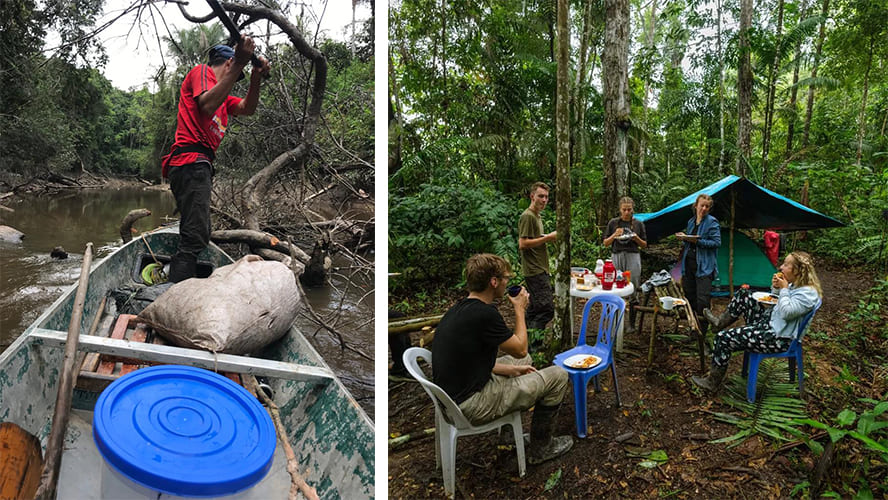
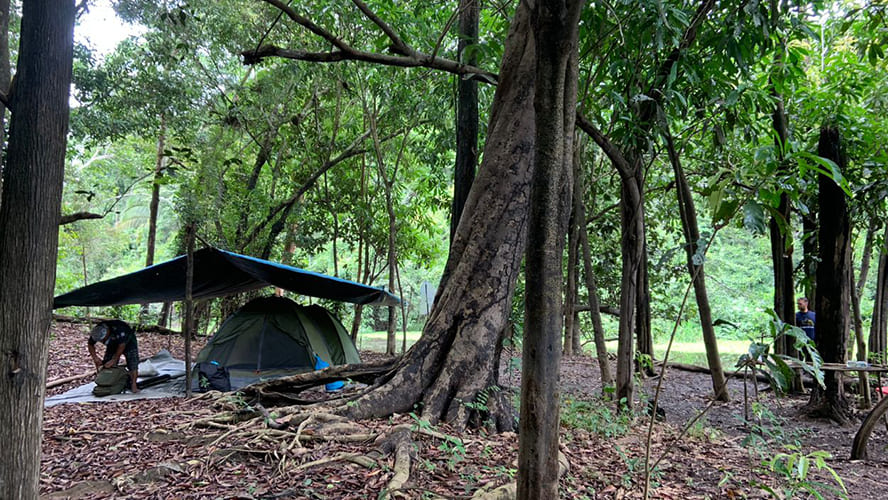
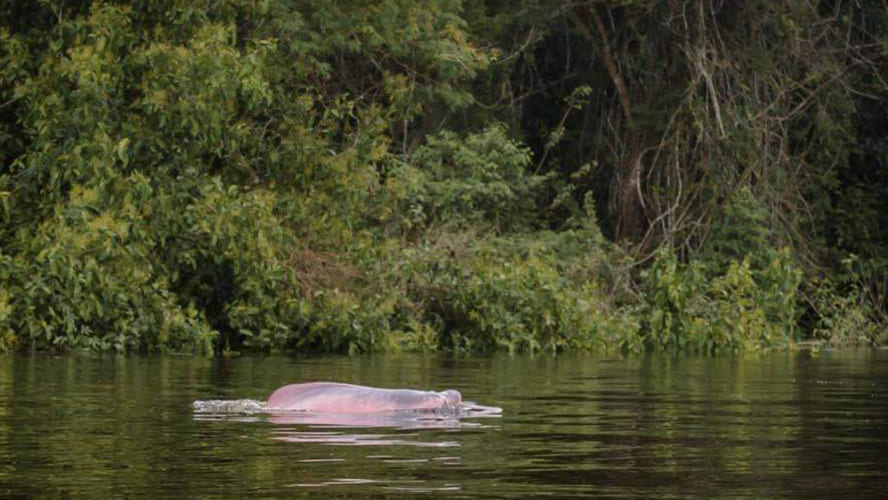
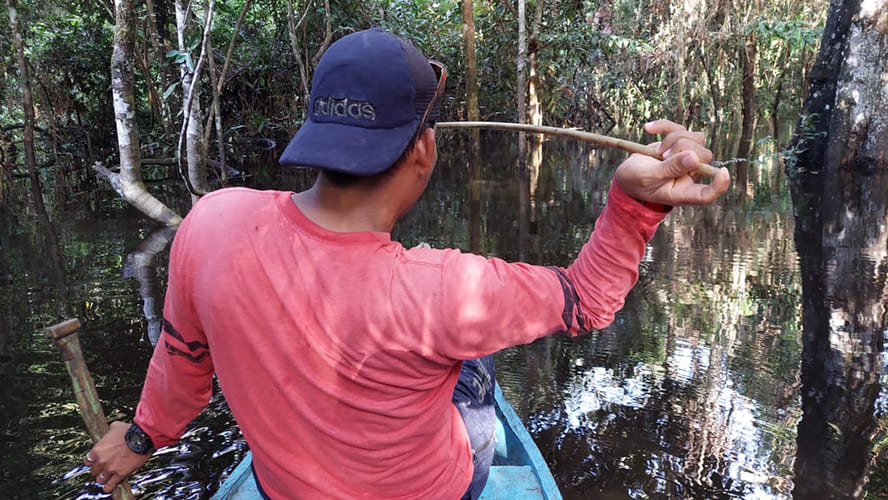
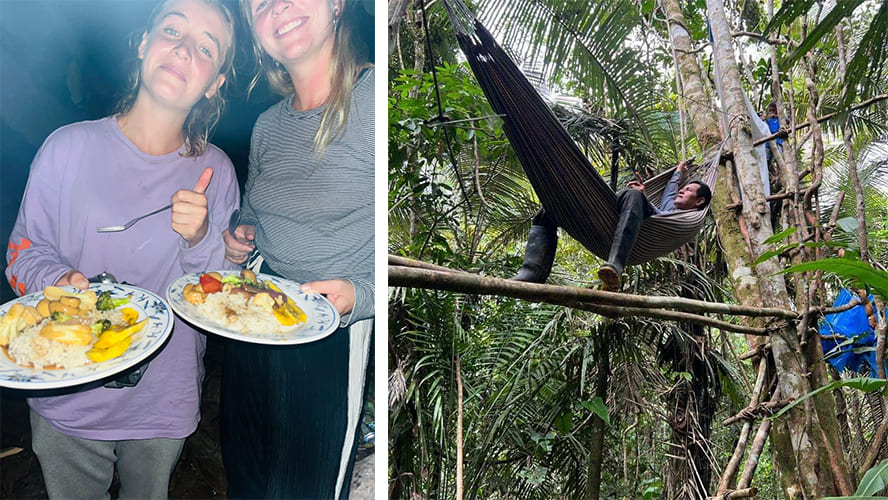
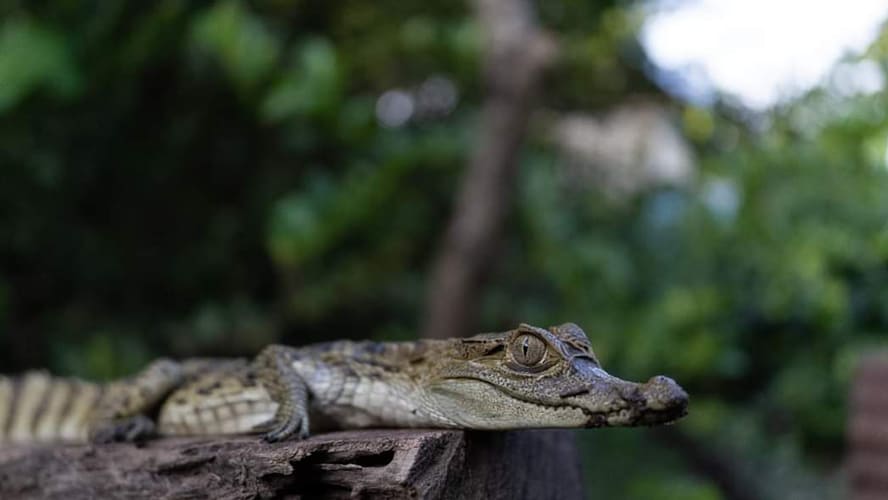
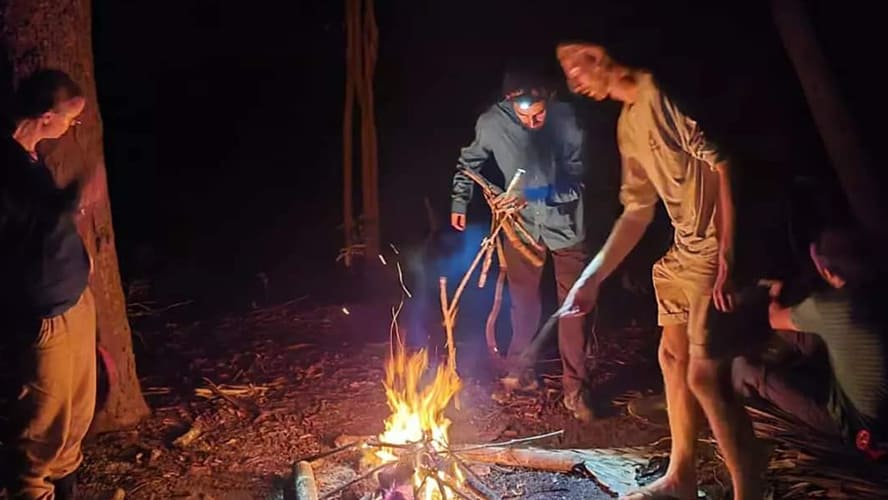
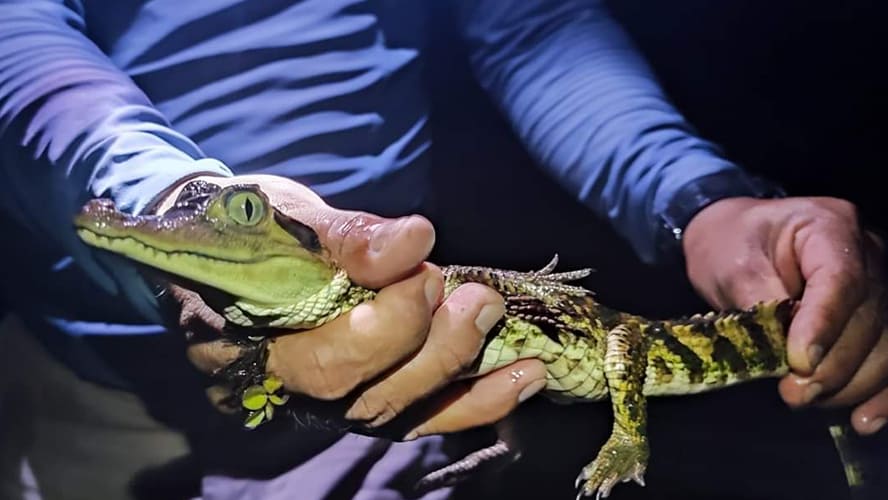

Explore Pacaya Samiria National Reserve on expeditions ranging from 3 to 10 days from Iquitos. Choose from different programs designed to discover one of the most important natural areas of the Peruvian Amazon through river navigation, rainforest walks and immersive jungle experiences.
The itineraries include travel from Iquitos to Nauta and navigation along the Marañón and Yanayacu rivers, with different sectors and locations visited depending on the selected program. Activities may include canoe trips, rainforest walks, piranha fishing and night expeditions according to each itinerary.
Options range from 3 days and 2 nights to 10 days and 9 nights. Accommodation arrangements vary by itinerary and may include camping, family homes, tents or beds with mosquito nets depending on the route. Choose the expedition length that best fits your Pacaya Samiria experience.